They are jewels of the planet spread across the five continents. From the Colosseum and classical Rome to the city of Petra in Jordan. From the Serengeti to the Iguazu Falls. From the Great Barrier Reef in Australia to our Alhambra in Granada. In every corner of the Earth, there are wonderful things to discover, something extraordinary to delight and surprise us. The world is full of wonders, of natural treasures and grand creations by man, many of which are millions of years old. Among the most spectacular in the world, we have selected the twenty images illustrating this photo gallery, all UNESCO World Heritage Sites, joining us in celebrating the International Tourism Day.
* Use the right and left keys to navigate through the photos on the page
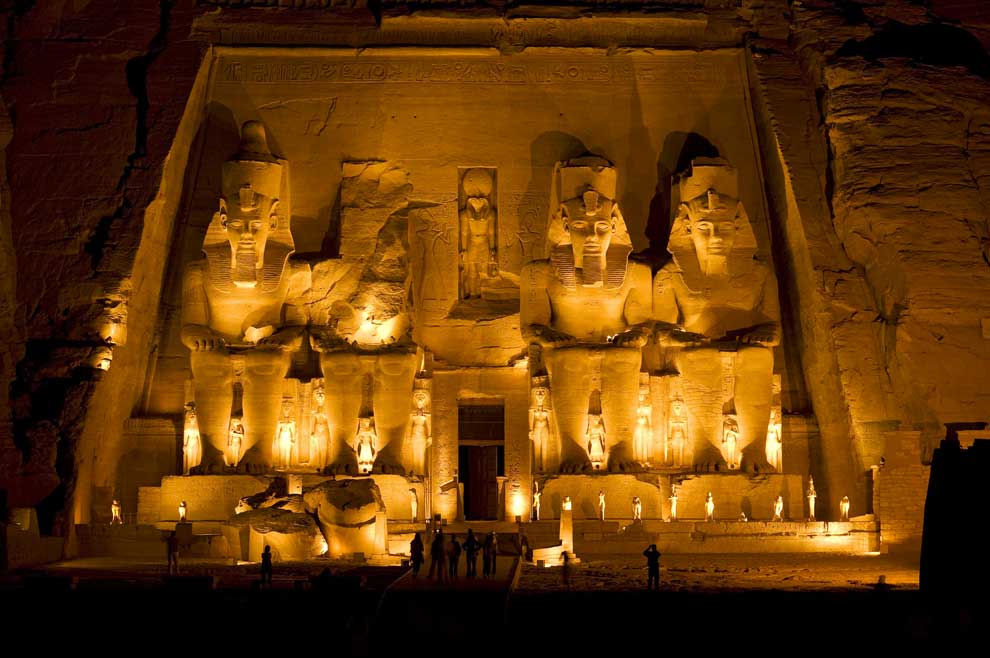
Carved into the rock in honor of Ramses II and his favorite wife, Nefertari, the temples of Abu Simbel, in the heart of the Nubian desert, are the crown jewel of any journey through the land of the pharaohs. Ramses II, the most prolific and one of the most powerful pharaohs of all times, is the absolute protagonist of the main temple, preceded by a terrace where the four guardian colossi, over 20 meters tall, represent him seated, wearing the double crown of Upper and Lower Egypt, and with—ah, the things of hierarchies!—many smaller sculptures of his relatives at his feet.
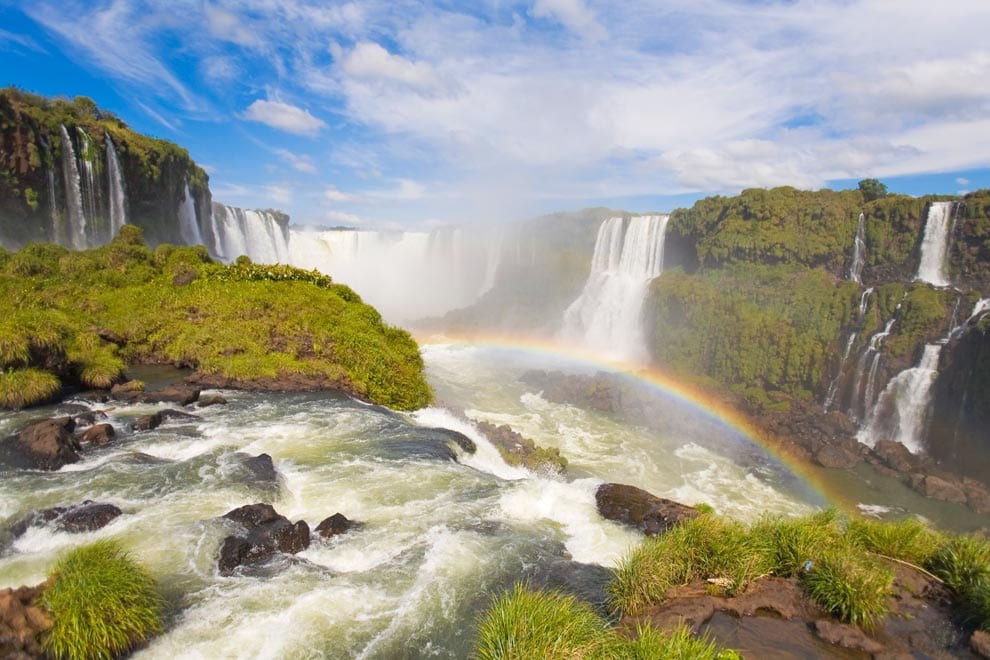
Between the border of Argentina and Brazil, the Iguazu River splits into a colossal waterfall system with up to 300 drops that, among islands and thunderous curtains of water, spill noisily over this portion of jungle that divides or, depending on perspective, unites both countries.
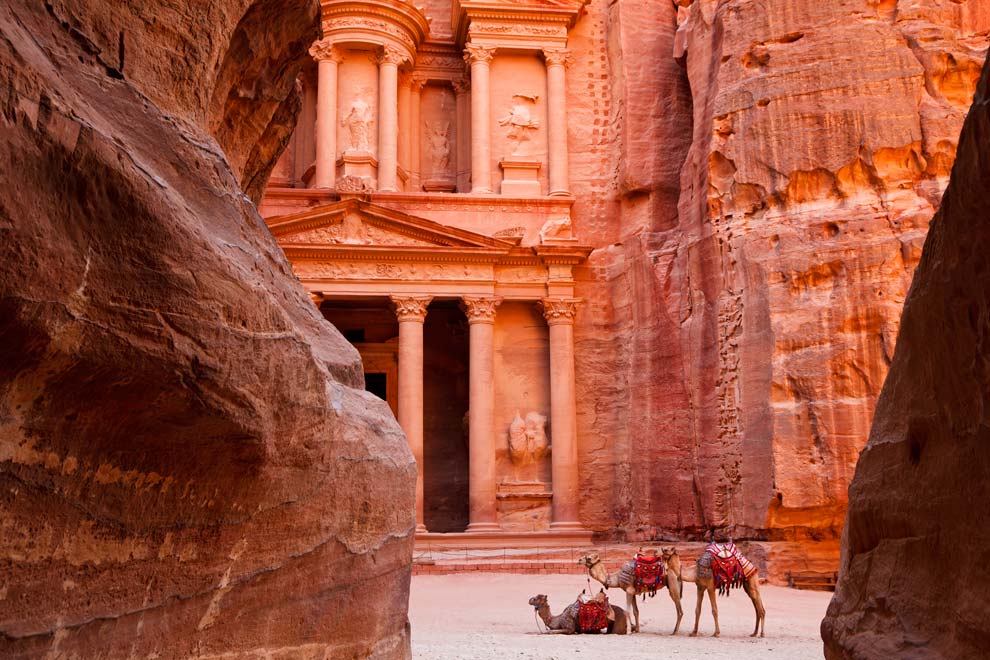
Abandoned by the Nabataeans, so full of pride from their wealth and commercial skill that they dared to challenge Rome’s power, Petra—a UNESCO World Heritage Site—appears as a dreamlike vision after crossing on foot, by donkey, or on horseback, the Siq gorge protecting its entrance. Its Greco-Roman facade style carved into the desert rocks makes it one of the most romantic ruins.
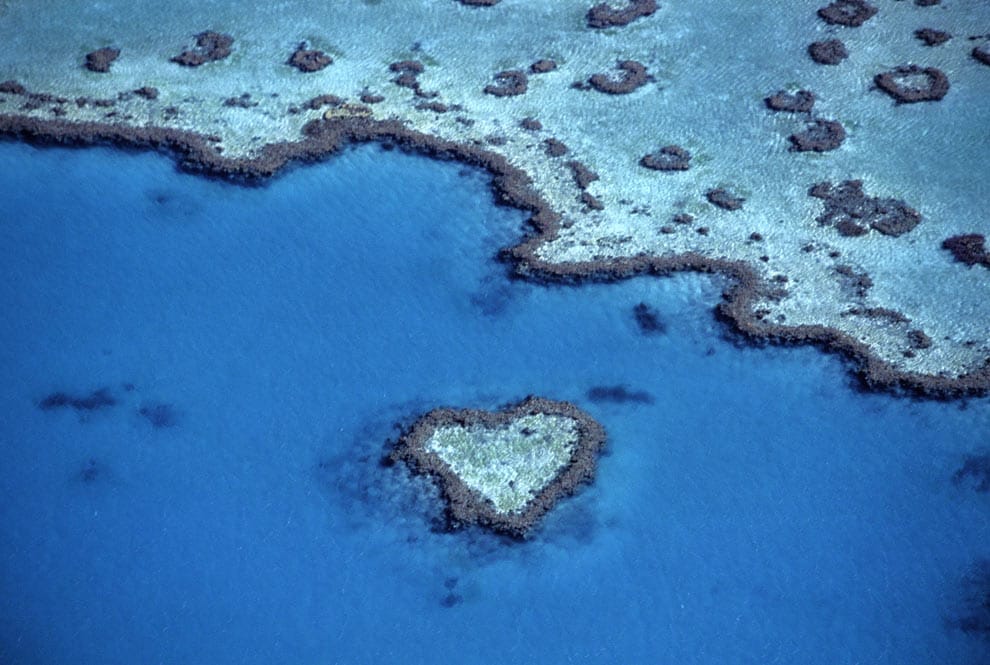
Off the coast of Queensland, Northeastern Australia is adorned with the largest coral reef on the planet, a fabulous marine ecosystem outlined by colossal reef circles stretching along 2,300 kilometers.
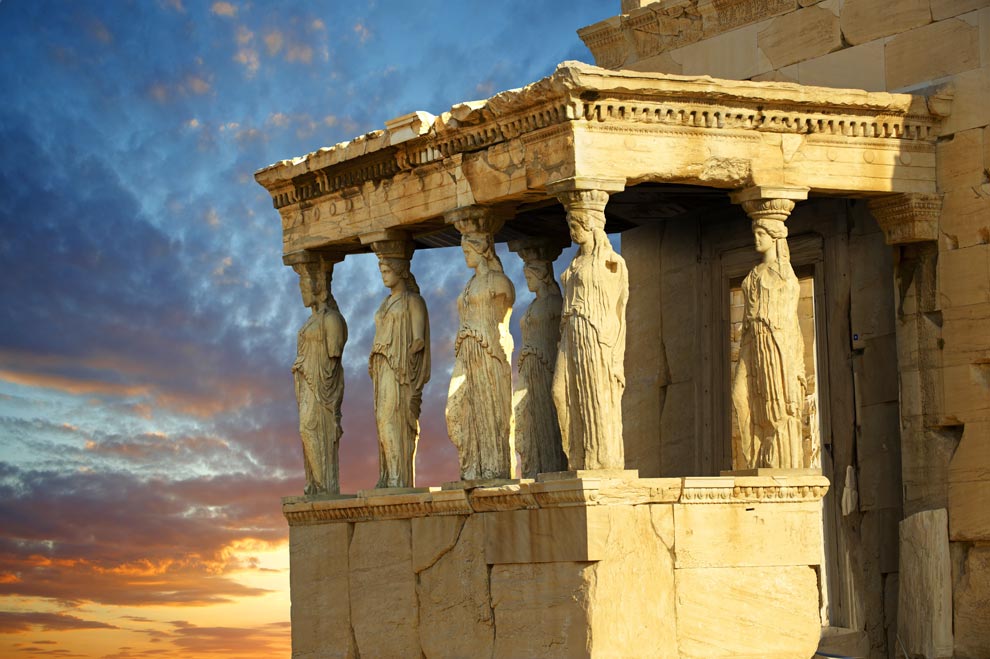
During the so-called Golden Age of Pericles, the 5th century BC, Athens became the cradle of Western civilization. Theater, philosophy, or democracy took their first steps alongside the sacred rock of the Acropolis, the symbol of Athens and an entire culture that, from the heights of its temples, watches the whole city vibrate beneath its feet.
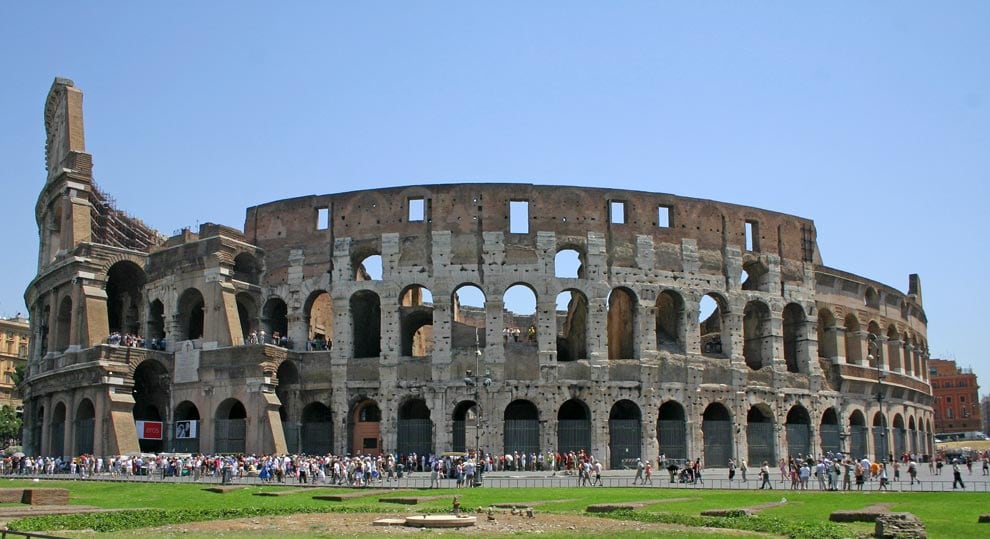
The Colosseum, the Forum, the Capitoline Museums, St. Peter’s, St. Mary Major, the Vatican Museums, the Pantheon, the Castle of Sant’ Angelo, the Circus Maximus… Rome is a vast open-air museum of history. Eternal, monumental, filmed, photographed, the capital of an empire over two thousand years old is one of those must-see places before you die.
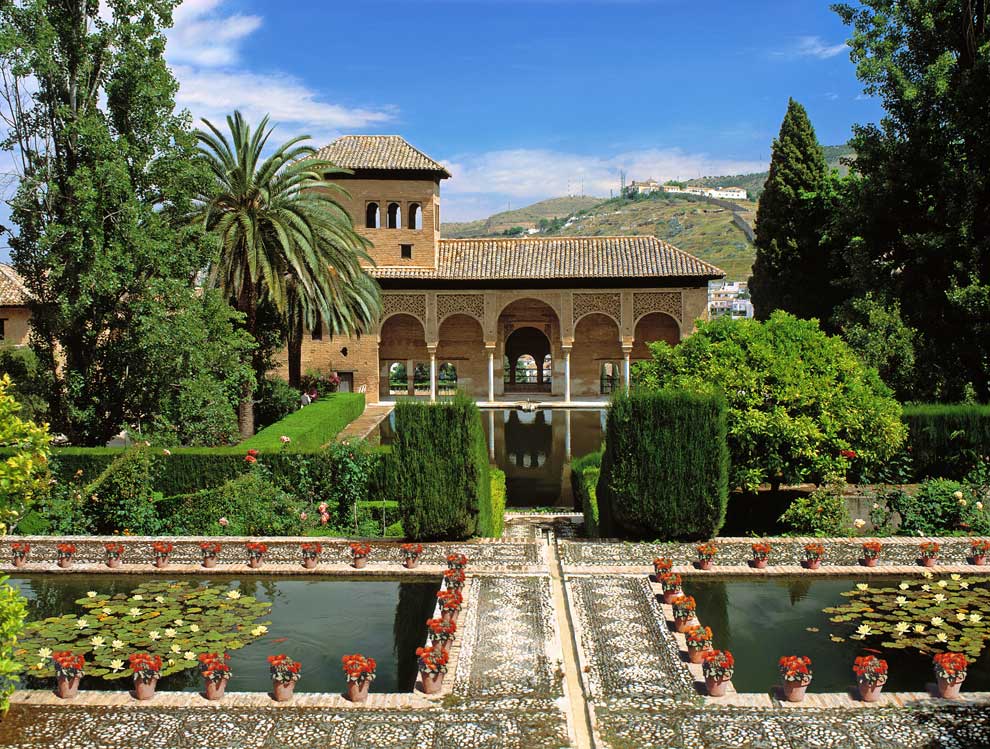
Citadel, fortress, and residence of the Nasrid sultans, the Alhambra of Granada and the Generalife shine as the most sublime legacy of Al-Andalus culture. It’s true that with the millions of people who visit it every year it’s not always easy to savor it with the serenity its masters and lords once had, but its refinement and sensuality continue to dazzle with equal inspiration.
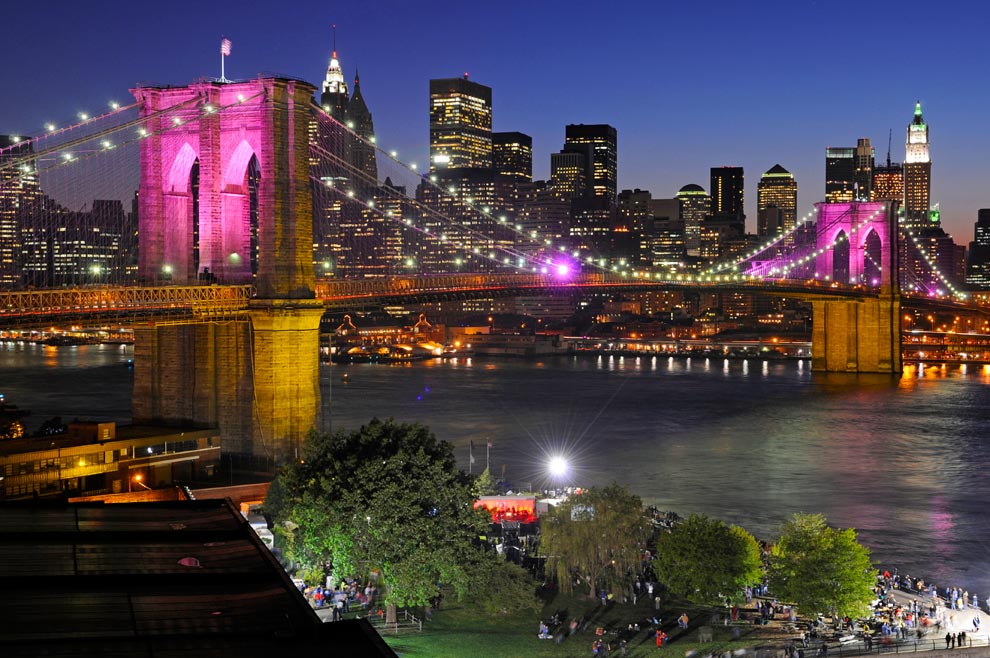
Its streets and avenues, drawn in straight lines across the island of Manhattan, seem to have been traversed before because of how often they’ve appeared on screens. It is the capital of the world, a bustling place where life moves at a dizzying pace and trends are set for the rest of the planet. Museums, shops, galleries, and icons of a way of life represented, like no other symbol, by the Statue of Liberty, which stands proudly in its bay.
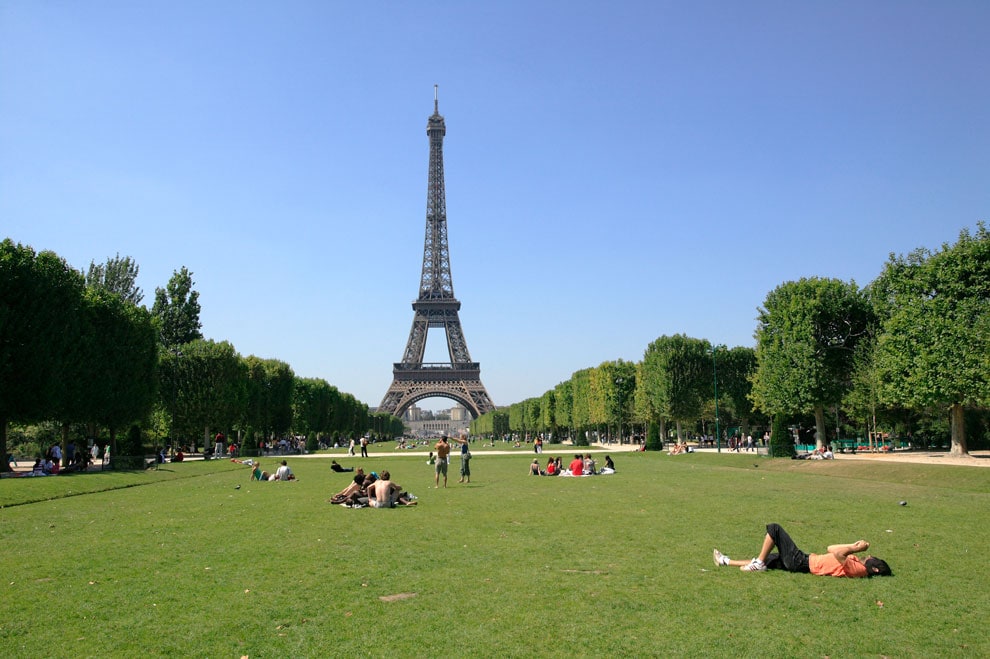
The most visited capital on the planet has plenty of reasons to enchant: the best restaurants, the most charming or groundbreaking shops, its vibrant multiethnic atmosphere, and an immeasurable cultural offering, but above all, a colossal historic center delightfully preserved and filled with romantic corners that, district by district, has built the general conviction that one cannot leave this world without having thoroughly wandered its streets / © Rafael Delgado.
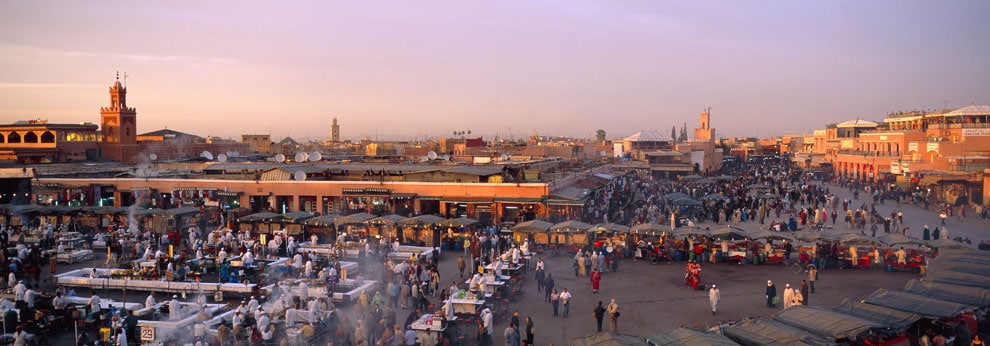
The so-called Red City, with its souk labyrinths, Almoravid walls, bargaining scenes, and palm groves, and above all, with the explosion of life and talent filling Djemaa El Fnaa square every night, becomes the most exotic escape destination just a couple of hours flight away.
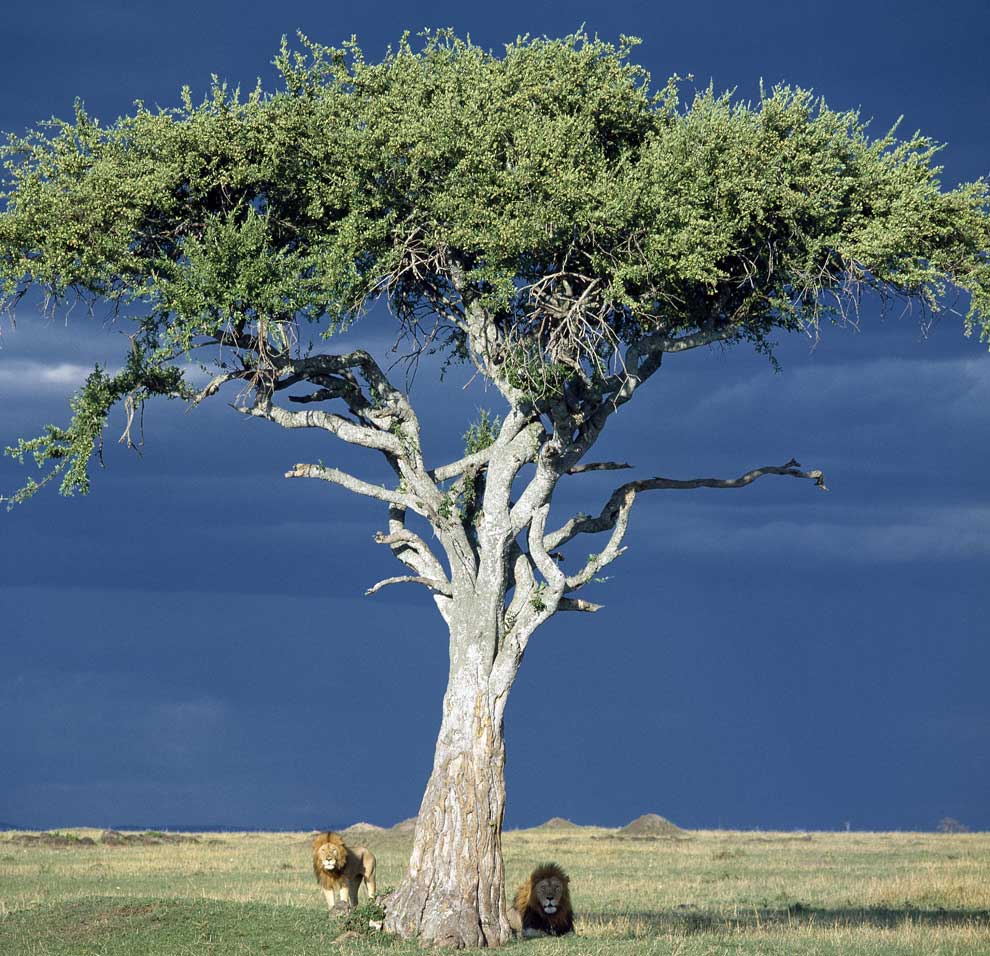
The density of wildlife in Kenya’s flagship reserve, the Masai Mara, makes this destination a highlight for Nature lovers. During a photographic safari through it, there is almost a guarantee of spotting the famous big five or five greats in a single day: the elephant, the lion, the buffalo, the rhinoceros, and with luck, even the most stealthy and elusive of all, the leopard.
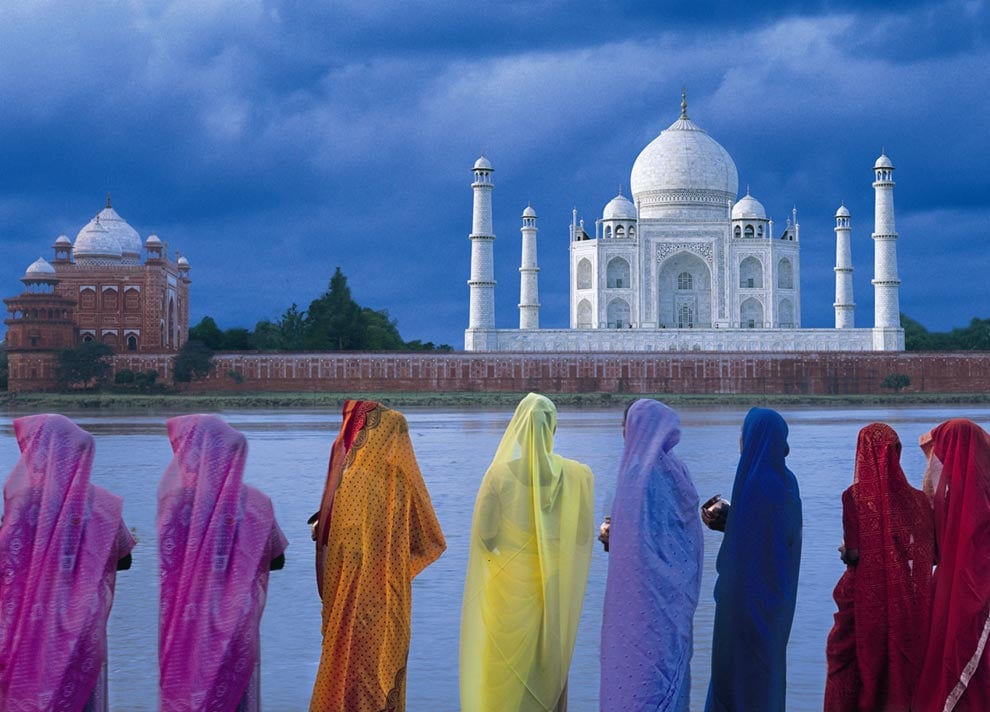
The inspiring beauty of this mausoleum of marble and domes on the banks of the Yamuna River, in the Indian city of Agra, was born as the tribute of a grief-stricken emperor to his wife who died shortly after giving birth to his fourteenth child. Almost five centuries after being erected, the Taj Mahal remains a symbol of love that attracts thousands of visitors every day.
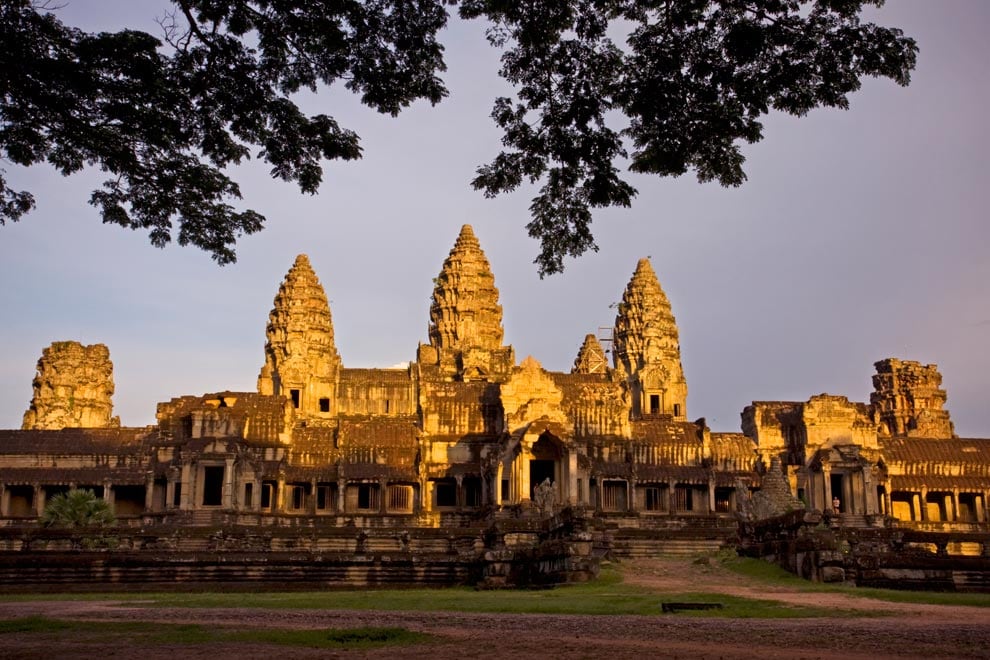
Lurking in the jungle, the temples of Angkor remained hidden among the foliage for centuries. Today, even partially excavated, this legacy of the Khmer civilization is one of Southeast Asia’s most fabulous archaeological sites, with no less than 400 square kilometers scattered with temples that between the 9th and 15th centuries their divinely attributed kings erected in the gods’ measure / © Patxi Uritz.
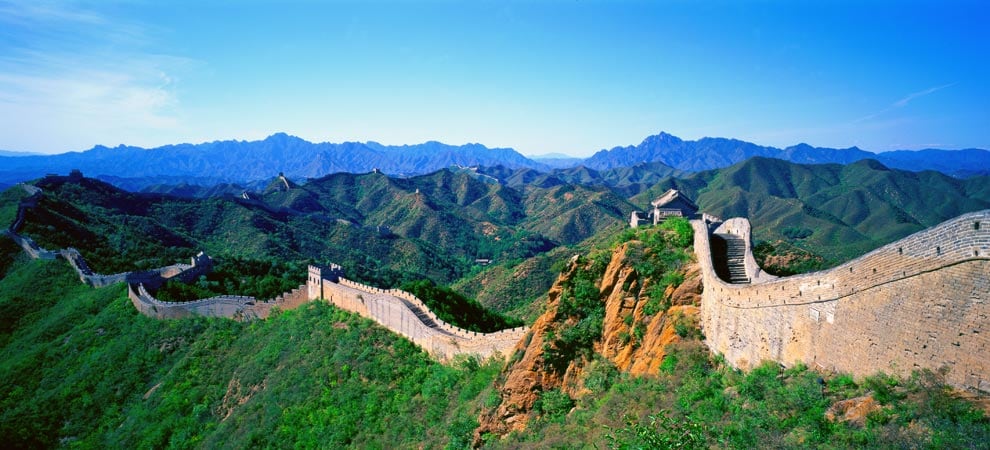
It is China’s most recognizable symbol, representing the voluntarism of its inhabitants and also its centuries-old isolation. A simple excursion from Beijing allows walking along some of the best-preserved sections of this endless mass that snakes across the northern mountains of the country.
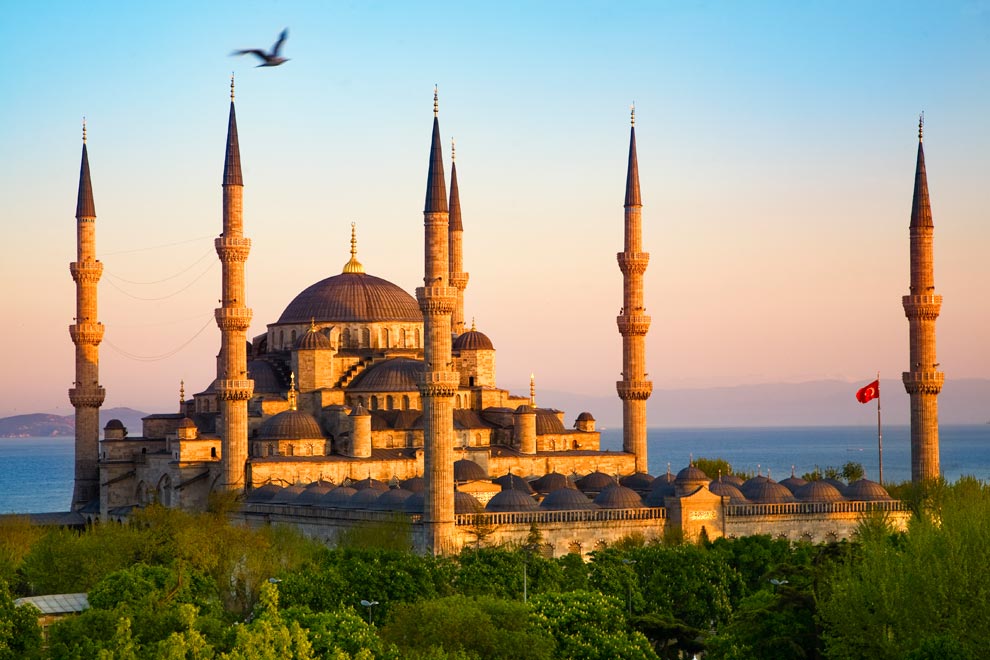
A sultana to be reckoned with, Istanbul may not be Turkey’s capital, but it is undoubtedly the great jewel of this beautiful and hospitable country, and the only city on the planet settled on two continents. Its beauties spread across both shores of the Bosphorus and the Golden Horn, and within its skyline, dotted with minarets, Hagia Sophia and its most stylish mosques, Sultanahmet, Süleymaniye, Nuruosmaniye, Eyüp… shine brightly.
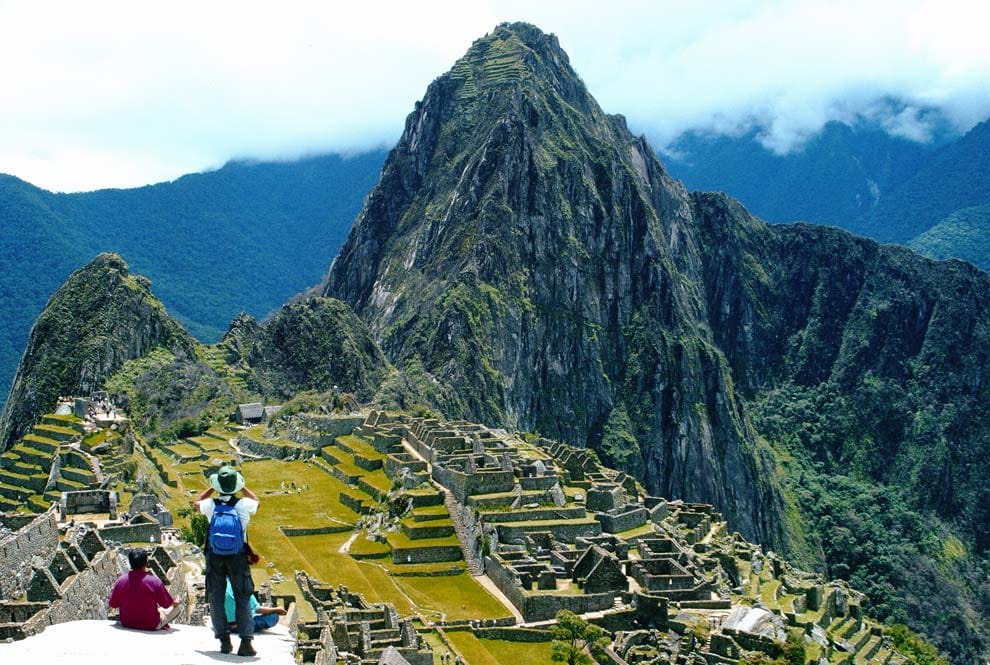
The Lost City of the Incas rises amidst ravines, 130 kilometers from Cusco, in an inaccessible landscape in the Peruvian Andes. The perfection of its constructions, its preservation, and its natural setting, perched as it is on a ridge above the Urubamba River valley, make this site one of the world’s most valuable archaeological treasures and, undoubtedly, one of the most mystical / © Heinz Pleng.
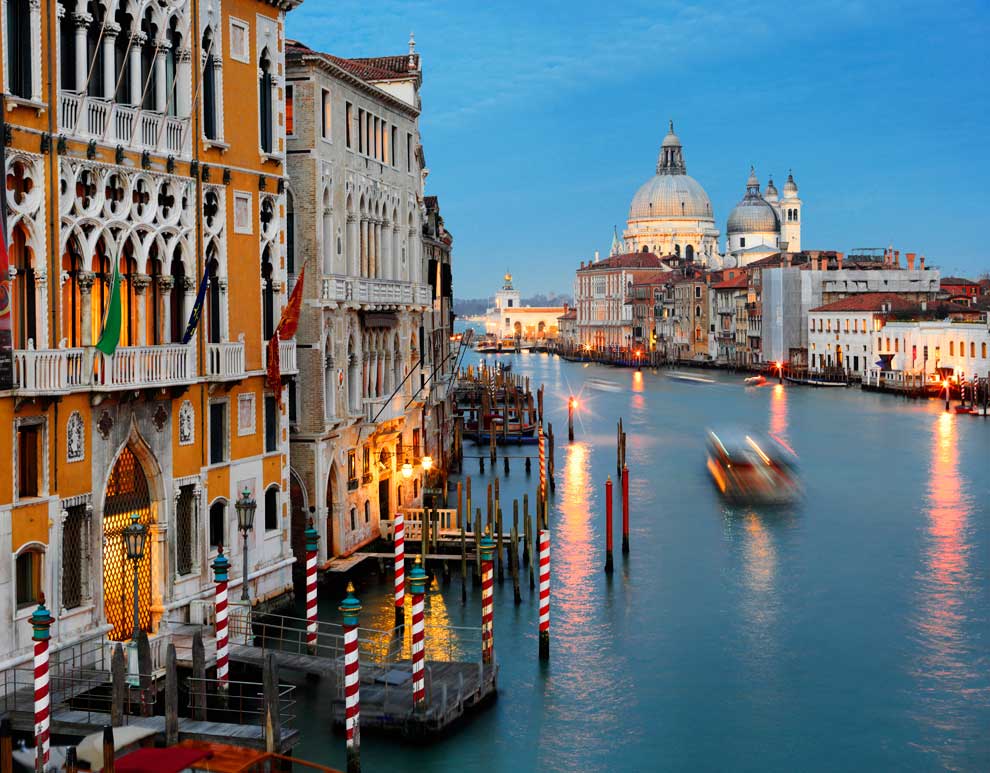
Venice is a city of theatrical grandiosity, a fascinating setting of palaces, museums, and piazzas at water’s edge that seems never-ending. Built over a lagoon in the north of the Adriatic Sea, in this setting it is easy to be surprised by the monumental, animated, and dynamic Venice that unfolds around the Grand Canal and St. Mark’s Square, but most of all, by the intimate and hidden Venice of its small alleys, ‘campos’, churches, and bridges where the life of a place of sovereign beauty flows dreamily over the mists of its small canals.
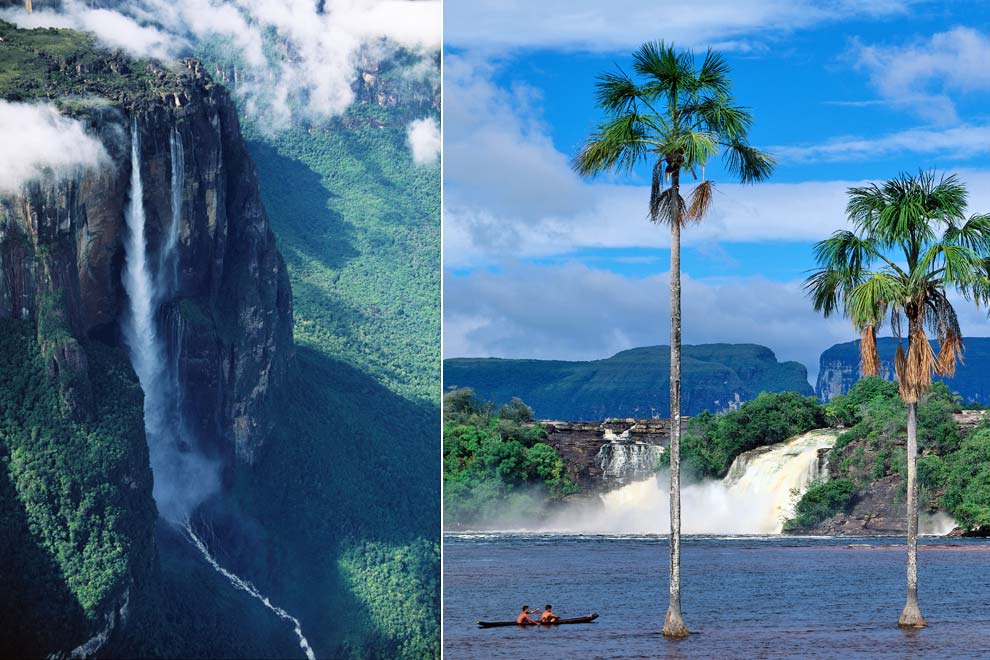
Canaima National Park offers many more attractions, but it is world-famous, perhaps most of all, for holding the Angel Falls within its enormous expanse, the world’s tallest waterfall, with nearly one kilometer of free-falling water thundering over this portion of the Venezuelan jungle, dotted with tepuyes.
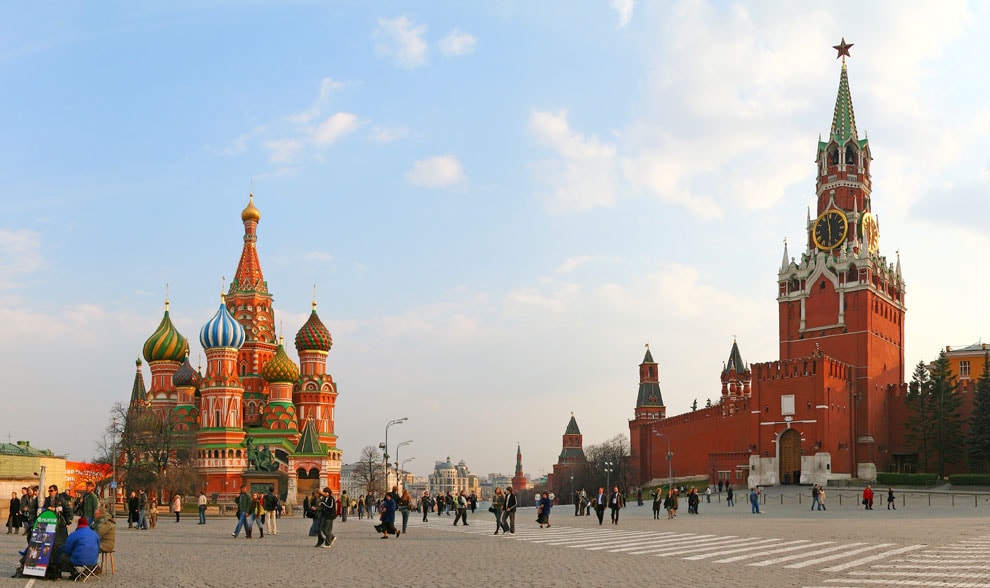
The heart of Moscow and, perhaps, all of Russia, is housed in the immensity of its famous Red Square, the city’s former market, whose sides feature the beautiful domes of St. Basil’s Cathedral or the city walls of the Kremlin, a silent witness to the nation’s history.
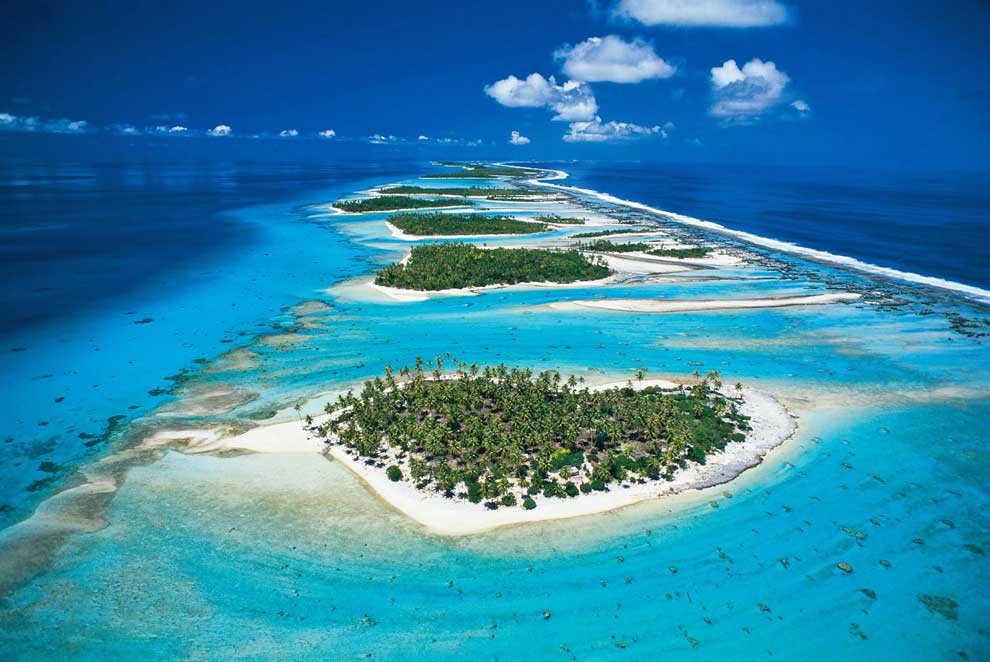
And to celebrate that this year’s World Tourism Day is dedicated to water conservation, an image from the always inspiring French Polynesia. Bathed in its warm and clear waters, the Tuamotu archipelago offers the most breathtaking sensation of a lost paradise from its array of tiny, isolated, and flat islands, forming a coral belt around the most dazzling marine lagoons / © Philippe Bacchet.